
Cultural tour in downtown Luanda
From monumental memory and colonial-era landmarks to museums, panoramic viewpoints and hands-on discovery, this curated route connects some of the most meaningful cultural stops in central Luanda.
A cinematic route through Luanda’s cultural core
This page is designed as a premium downtown cultural itinerary, combining classic landmarks, museum stops, panoramic city views and places that help visitors better understand Angola’s memory, identity and urban character.
One route, many layers of Luanda
This itinerary works well for visitors who want more than isolated landmarks. It combines memory, religion, architecture, ethnography, science and city viewpoints in one coherent cultural experience.
Ideal for thoughtful travellers
- Visitors interested in Angola’s history and identity
- Travellers who enjoy museums and architecture
- Families looking for a balanced educational route
- Photographers searching for strong urban and heritage visuals
Most stops can be combined in one central route
Several of these places sit within or close to the Marginal, Ingombota and downtown core, which makes this page useful both as inspiration and as a practical planning tool for a half-day or full-day cultural visit.
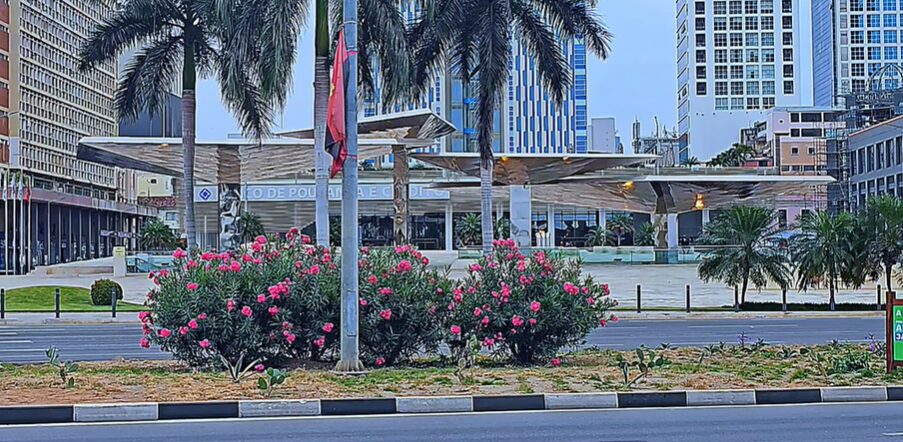
Museum of Money
Hidden beneath Luanda’s waterfront, this modern museum is one of the city’s most accessible and didactic cultural stops, tracing Angola’s economic story from pre-monetary exchange to the birth of the Kwanza.
- Strong chronological storytelling and immersive displays
- Excellent for first-time visitors and short museum stops
- Easy to pair with a Marginal walk and nearby heritage sites
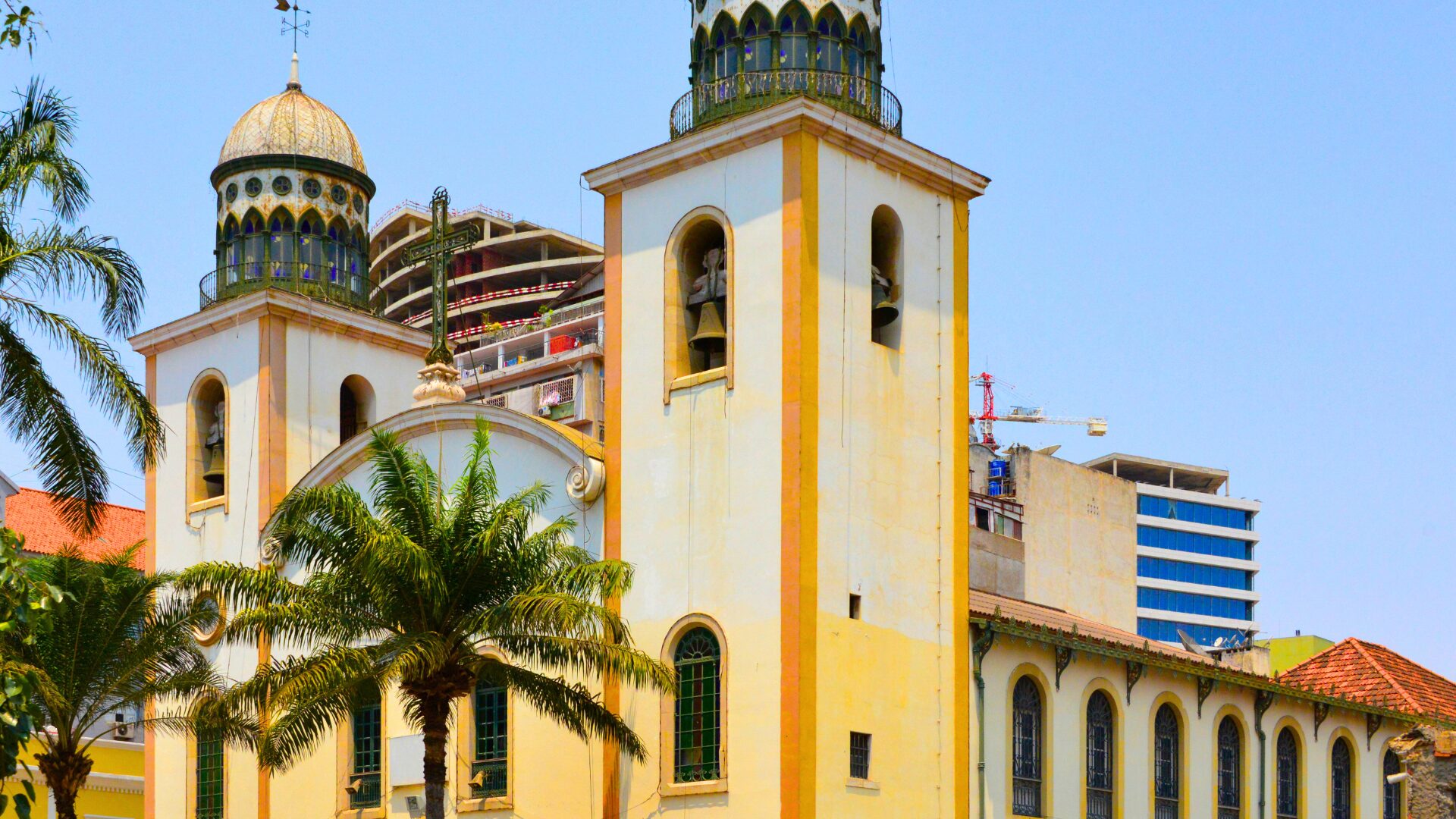
Luanda Cathedral
Also known as Igreja de Nossa Senhora dos Remédios, Luanda’s cathedral offers a serene counterpoint to the city’s rhythm, with religious heritage, quiet beauty and one of the most important sacred landmarks in the capital.
- Historic church in the heart of the city
- Good for architecture, reflection and respectful photography
- Works well as a short stop between museum visits
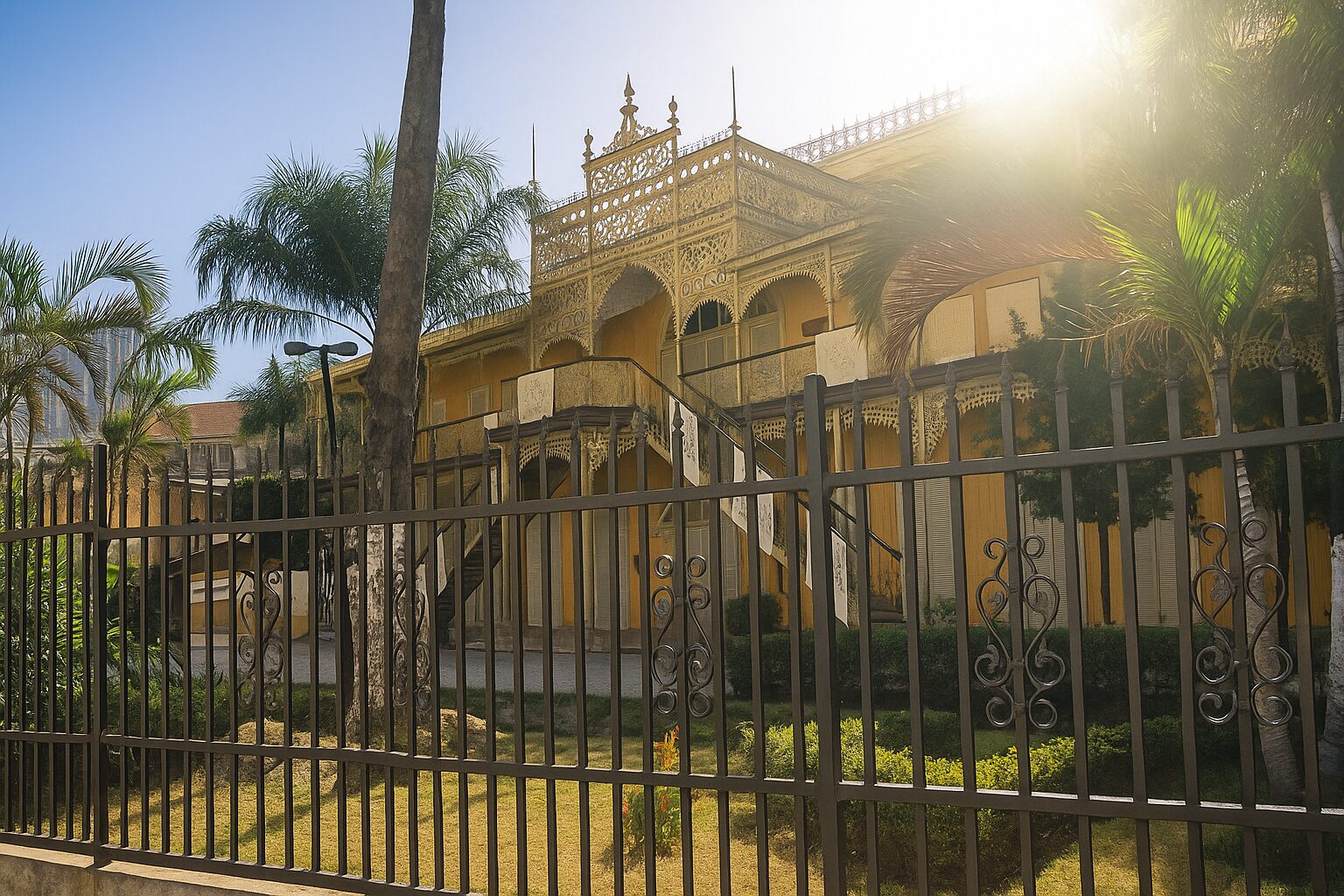
Iron Palace
One of Luanda’s most distinctive architectural landmarks, the Palácio de Ferro stands out for its 19th-century ironwork, elegant verandas and strong visual presence in the downtown urban fabric.
- Architectural highlight with strong photo appeal
- Interesting stop for design and heritage lovers
- Easy to include in a walk through central Luanda
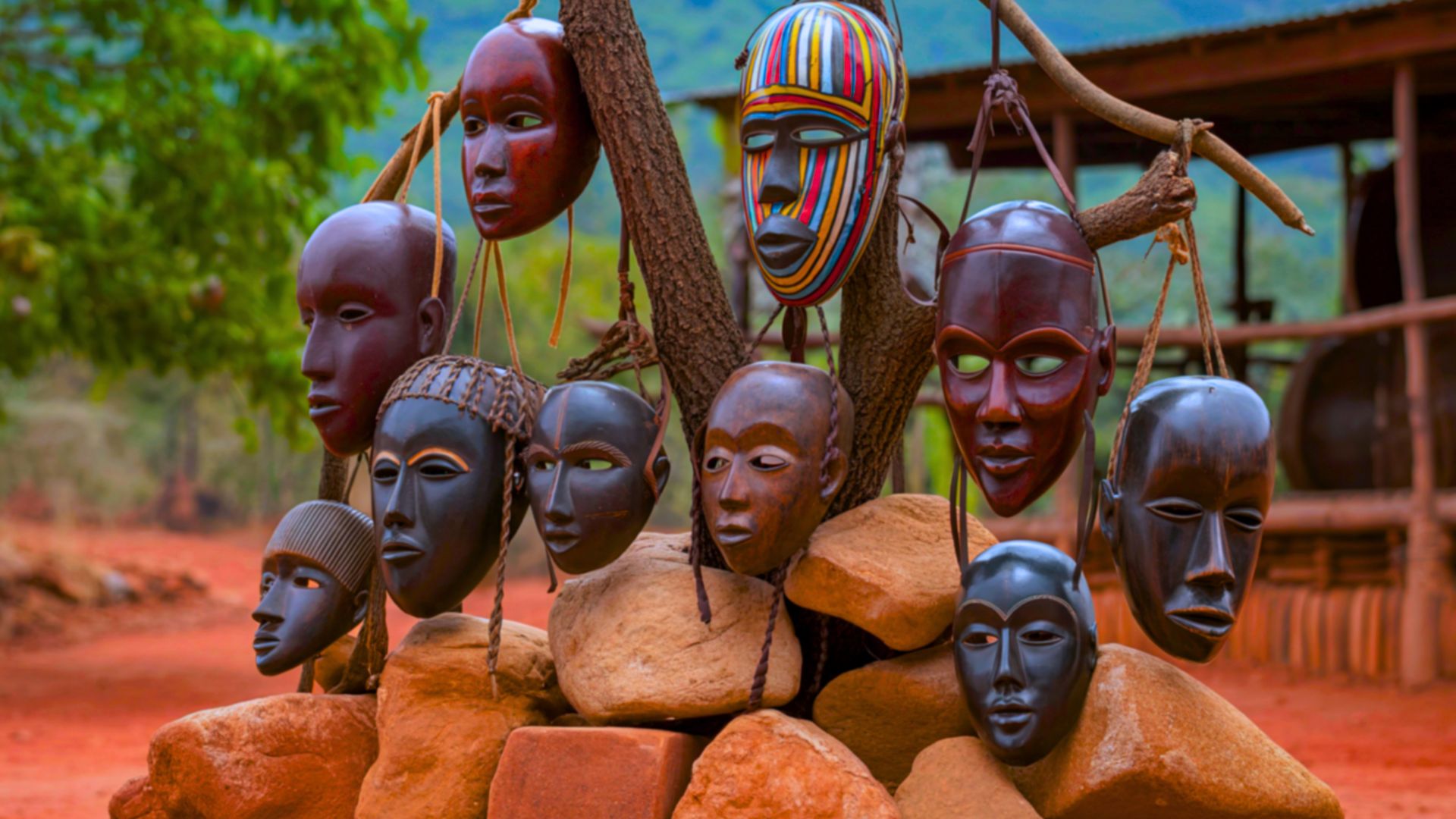
National Museum of Anthropology
One of the essential cultural institutions in Luanda, this museum introduces visitors to Angola’s ethnic diversity through masks, instruments, ritual objects, tools, crafts and everyday cultural memory.
- Excellent for deeper cultural context
- Includes thematic rooms and a courtyard with traditional elements
- Best enjoyed slowly rather than as a rushed stop
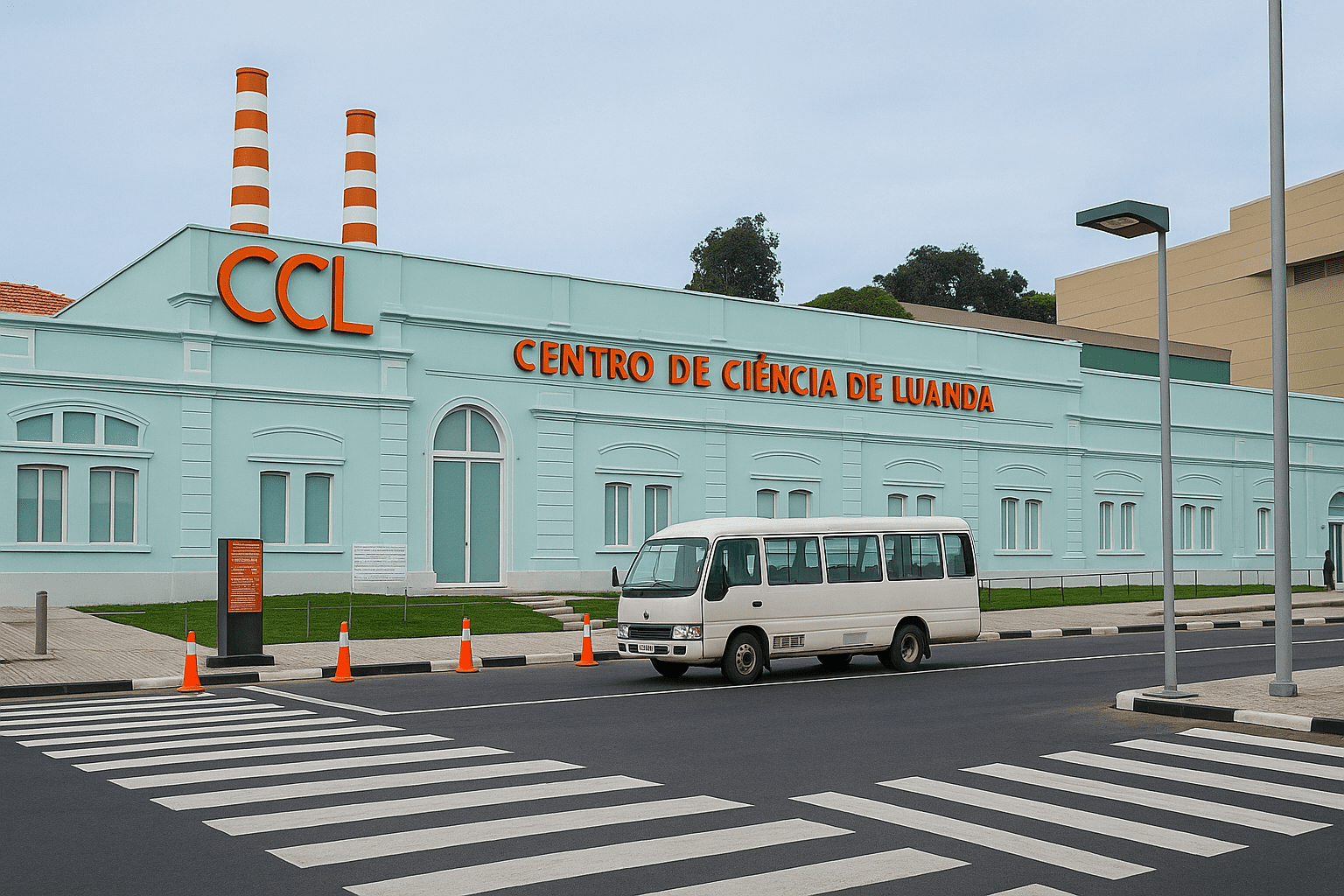
Science Museum of Luanda
A more contemporary and interactive stop in the cultural route, this science-focused space brings together learning, experimentation and family-friendly discovery in a more hands-on format than the city’s classic museums.
- Good for children, teens and curious adults
- Stronger on interaction and educational energy
- Adds variety to a heritage-heavy itinerary
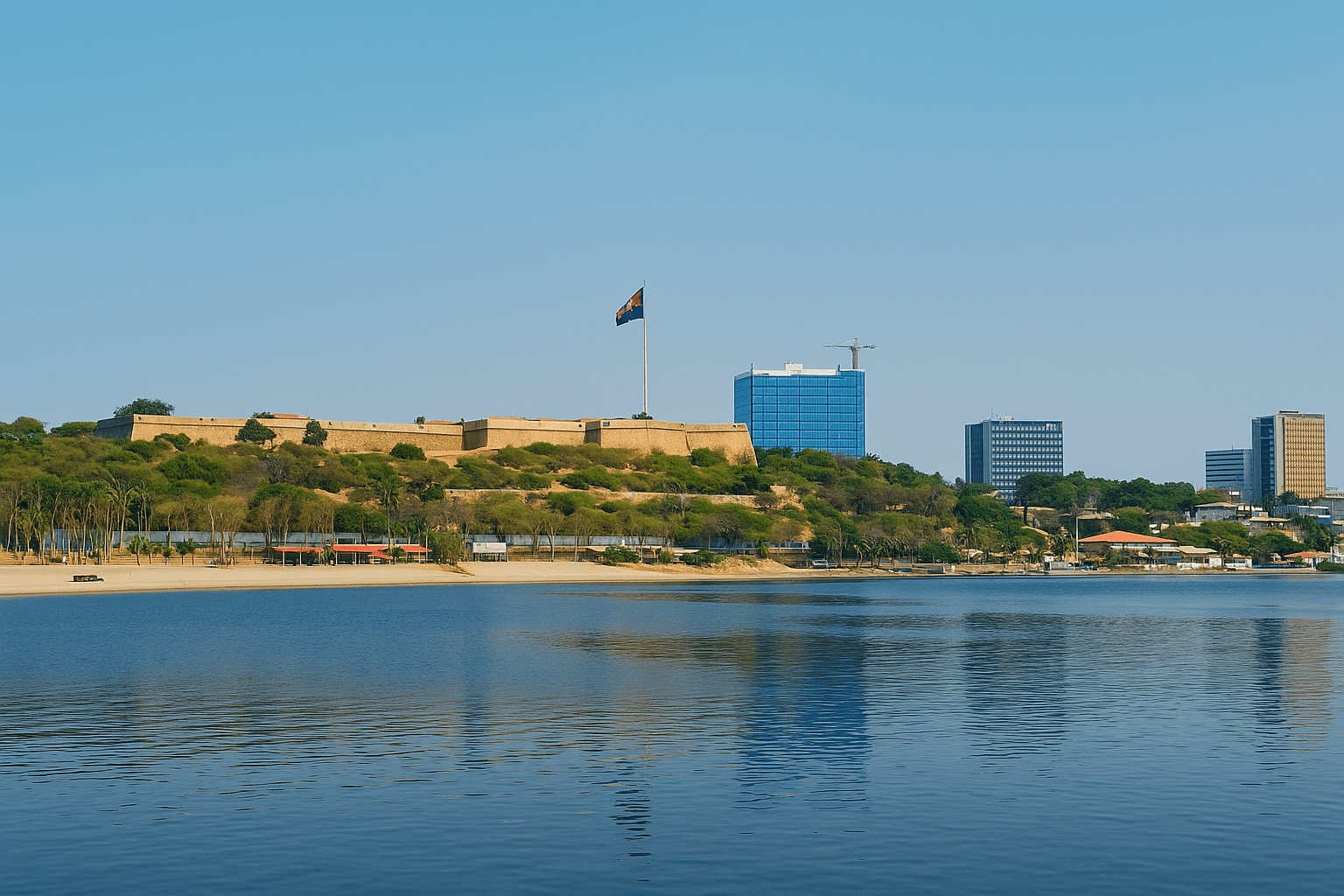
São Miguel Fortress
One of Luanda’s defining landmarks, the fortress brings together powerful history, panoramic views of the bay and a strong sense of place, making it one of the most visually memorable cultural stops in the city.
- Historic ramparts and sweeping city-bay views
- Important stop for understanding Luanda’s past
- Great for late-afternoon light and photography
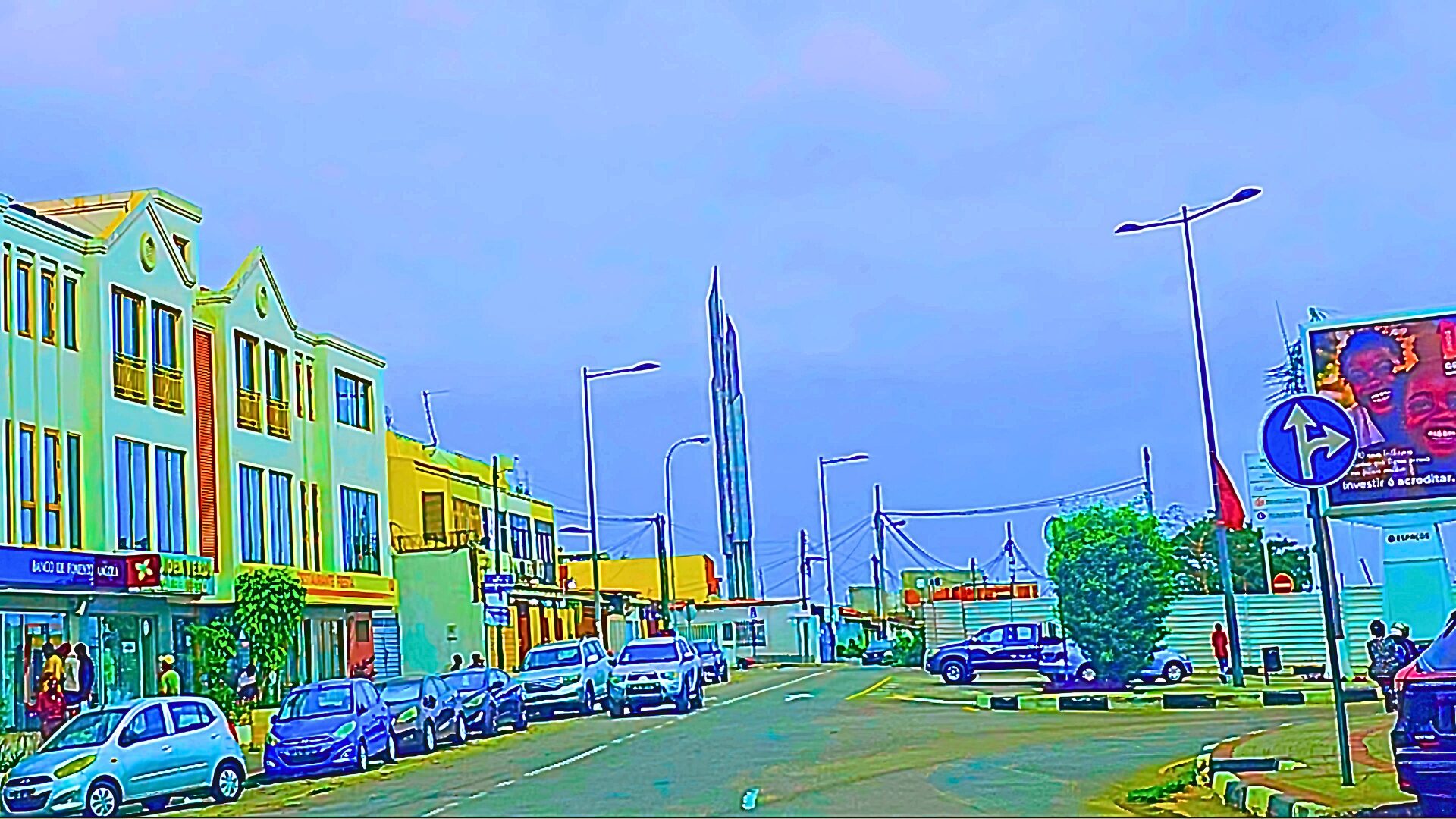
Agostinho Neto Memorial
Rising dramatically over the skyline, this monument is both a symbolic memorial and a cultural complex, combining solemn remembrance, museum spaces and one of the most distinctive silhouettes in Luanda.
- Major symbolic site tied to independence and national memory
- Strong architecture and impressive open esplanade
- Excellent visual stop, especially later in the day
Start with context and calm
Begin with the Museum of Money or the National Museum of Anthropology, then add Luanda Cathedral for a quieter, more reflective stop in the historic core.
Move into architecture and discovery
Continue with the Iron Palace and, if you want a more dynamic and family-friendly segment, add the Science Museum for a change of rhythm and format.
Finish with scale and views
End with São Miguel Fortress and the Agostinho Neto Memorial for the most panoramic, monumental and emotionally resonant moments of the route.
Best for classic cultural depth
- National Museum of Anthropology
- Museum of Money
- Agostinho Neto Memorial
Best for architecture lovers
- Iron Palace
- Luanda Cathedral
- Agostinho Neto Memorial
Best for families and mixed-age groups
- Science Museum of Luanda
- Museum of Money
- São Miguel Fortress
Best for dramatic visuals and photography
- São Miguel Fortress
- Agostinho Neto Memorial
- Iron Palace
- Luanda Cathedral
What to keep in mind
- Opening hours can vary, so confirm locally when possible
- Some museums and memorial spaces may have photography restrictions
- Downtown visits are easier with a driver, taxi or planned route
- Morning visits are often cooler and calmer
What to bring
- Water, sunscreen and light clothing
- Some cash for tickets or small local expenses
- A charged phone and enough storage for photos
- Respectful clothing for religious and memorial spaces
Not just one type of culture
This route mixes historical memory, architecture, religion, ethnography and science, which makes it more dynamic than a standard museum-only list.
Easy to combine in one day
Several stops are in or near the central Luanda axis, so the route feels practical rather than scattered.
Strong on meaning and visuals
The itinerary offers both intellectual value and visual impact, which is exactly what many travellers look for when they have limited time in the city.