
Fortaleza de São Miguel
History, sweeping bay views, and a hidden restaurant inside the walls
One of Luanda’s most defining places: layered history, dramatic viewpoints over the bay, and a quiet restaurant tucked inside the fortress walls.
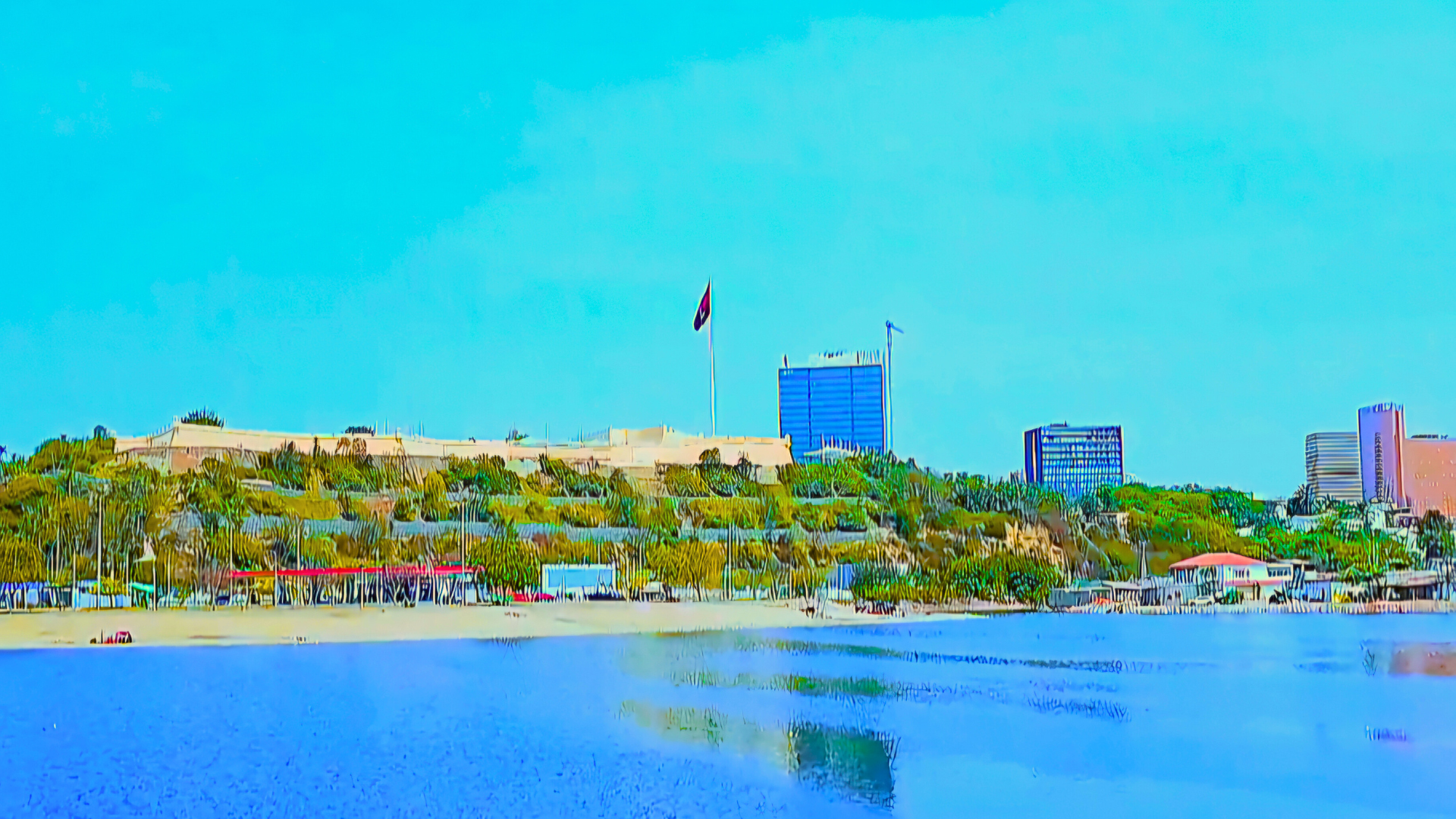
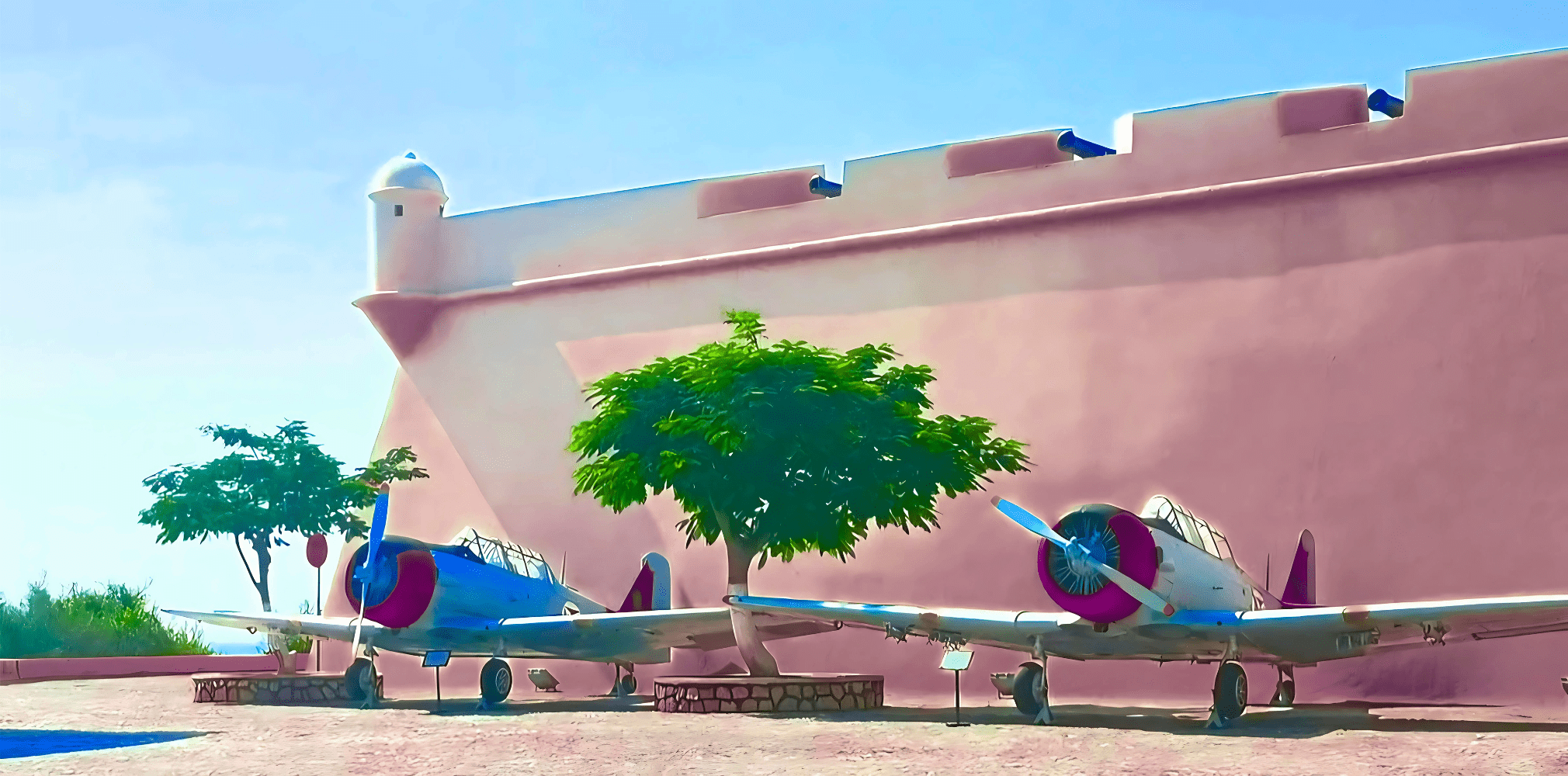
Built in 1576, São Miguel Fortress is a place to understand the past and admire the present. Walk the ramparts, spot the cannons still facing the sea, and let Luanda Bay open in front of you.
Why go
Powerful history, exceptional views, tranquil atmosphere and a restaurant inside.
Founded
In 1576 by Paulo Dias de Novais; later a military base, governors’ residence and prison.
Read with care
Its history intersects with the transatlantic slave trade, a painful chapter that deserves awareness.
Today
Historic statues, a small museum, sweeping viewpoints and the Forte Velho restaurant.
São Miguel Fortress is one of Luanda’s most striking landmarks. It combines history, panoramic views and a strong sense of place, making it one of the most important stops for visitors who want more than a simple photo.
Built in 1576 by Paulo Dias de Novais, it became a central site of colonial administration in Angola, functioning over time as a military base, residence of governors and prison.
In the seventeenth and eighteenth centuries, it also intersected with the transatlantic trade of enslaved people, a painful historical reality that should be approached with awareness and respect.
Today, the fortress offers old cannons facing the sea, statues that evoke figures of power and resistance, and a small museum that helps frame Angola’s path to independence.
Learning about history is not about blaming the present. It is about awareness, memory and choosing a more humane path.
-
1576Foundation
Built by Paulo Dias de Novais as part of the defence of the new settlement.
-
17th–18th c.Colonial hub
Military and administrative centre, also linked to the transatlantic trade of enslaved people.
-
20th c.Museum use
Preservation and reinterpretation of the site as part of Angola’s historical memory.
-
TodayVisit experience
Walkable ramparts, panoramic bay views, small museum and the Forte Velho restaurant.
Tip: Late-afternoon light gives the bay, stone walls and old cannons much more depth and atmosphere.
Is there a museum inside?
Yes. It is modest in size, but meaningful for understanding Angola’s path to independence.
Can I eat there?
Yes. The Forte Velho restaurant operates inside the fortress walls.
Is this a sensitive site?
Yes. Some chapters of its history involve deep suffering, so a respectful and informed visit is recommended.
Restaurant inside the fortress
Forte Velho
Forte Velho sits sheltered by the walls and offers a terrace with panoramic views over Luanda Bay, making it one of the most unusual places to eat in the city.
A short look at the ramparts, views and atmosphere.
Tip: weekends can get busier, so a morning visit often feels calmer and gives softer light.