
National Museum of Natural History
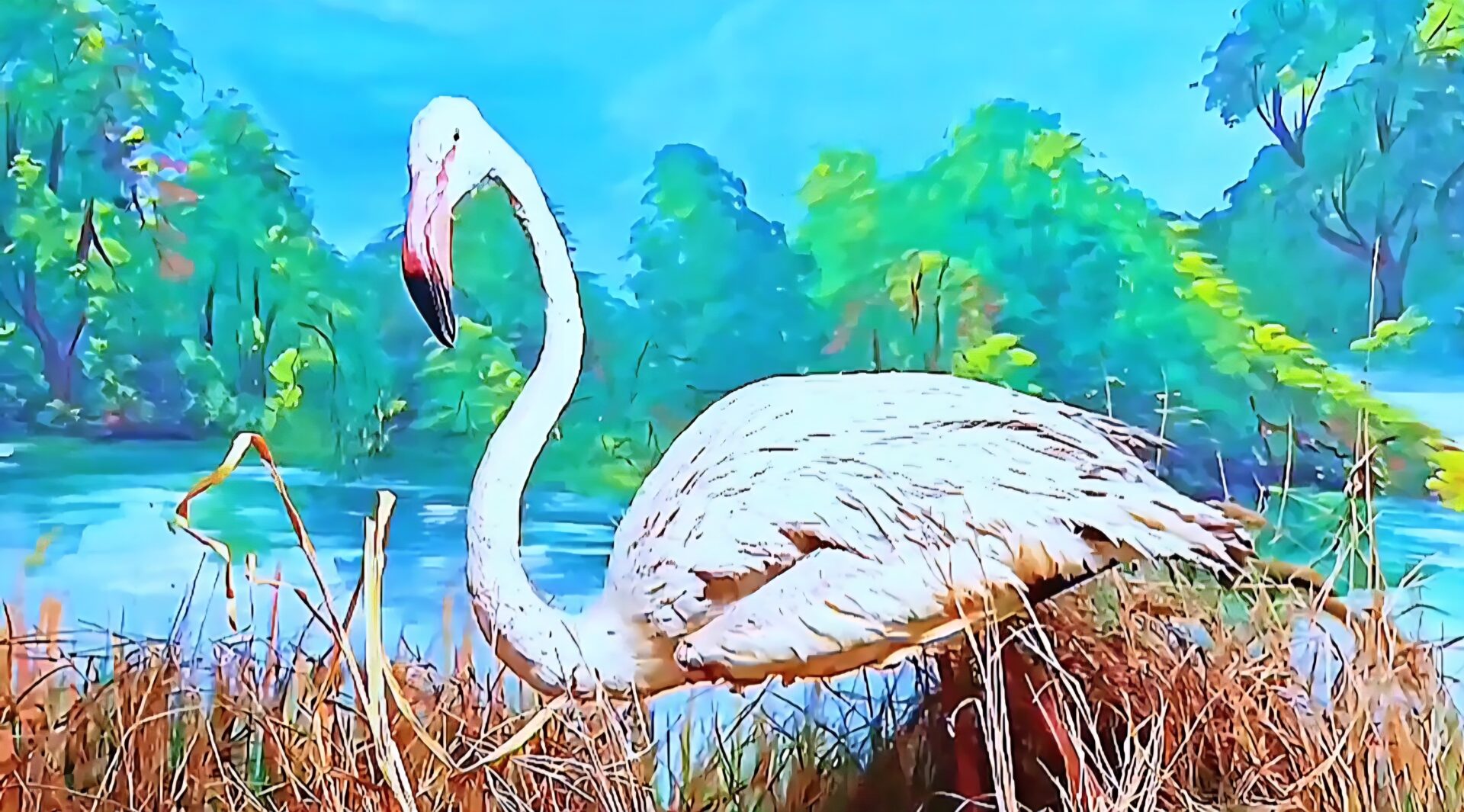
Quiet, nostalgic, and full of Angola’s biodiversity
Tucked away in Ingombota, this museum gathers decades of specimens and stories — a calm stop to slow down, learn, and see Angola’s wildlife up close.
Founded in 1938 and moved to its purpose-built, three-storey home in 1956, it remains Angola’s main hub for natural history — from shells and butterflies to mammals, fish, reptiles and more.
It isn’t the most modern, interactive museum — and that’s part of its charm. Old glass cases, careful taxidermy and classic dioramas make it a thoughtful, almost timeless visit. Below you’ll find essentials, highlights, tips, a video, and a handy map to plan your stop.
Where
Ingombota (Largo do Kinaxixe), Luanda
Founded
1938 (in São Miguel Fortress) · Since 1956 in current building
Suggested time
45–90 minutes · Mornings are cooler · Weekdays are calmer
Good to know
Air-con can be limited; bring water. Photography may restrict flash — follow on-site signs.
Tickets
Usually a modest fee; carry cash (AOA). Policies can change — confirm at the door.
- Phone: +244 921 360 872 · +244 222 334 055
- Hours (common): Mon–Fri ~ 08:00–16:00. Weekends vary; call ahead.
Marine & Mammal Halls
Classic rooms with fish, cetaceans and mammals that trace Angola’s habitats.
Reptiles & Insects
Snakes, lizards and extensive insect displays — fascinating for kids and students.
Shells & Butterflies
Beautiful collections, including cowries historically used as currency on West Africa’s coast.
The Building
A purpose-built, 3-storey museum (1956) close to the former Kinaxixe market square.
For families & students
- Labels are old-school — make a scavenger hunt for kids (“mammal with hooves”, “insect with wings”…).
- Bring a notebook: perfect for class projects on Angolan biomes.
For photographers
- Low light inside — a fast lens helps. Respect any “no flash” signage.
- Step outside for city scenes around Largo do Kinaxixe and nearby Iron Palace.
Logistics
- Ride-hailing works well in the centre; pin the entrance clearly.
- Combine with Iron Palace and Culture & History spots nearby.
Short video to feel the vibe before you go.
Open in OSM Google Maps Apple Maps
Pin: Largo do Kinaxixe, Ingombota · Coords: −8.81536, 13.23846
-
Is it kid-friendly?
Yes — lots of animals to spot. It’s more traditional than interactive, which many families enjoy at a slower pace.
-
When is it busiest?
Weekends and school group days. Weekday mornings tend to be quietest.
-
Do they accept cards?
Assume cash for entry; some central museums take cards, but it’s safer to carry AOA.
-
Accessibility?
Elevator access and climate control may be limited. If step-free access is essential, call ahead to confirm.