
National Museum of Natural History
Quiet, nostalgic, and full of Angola’s biodiversity
Tucked away in Ingombota, this museum gathers decades of specimens and stories. It is a calm stop to slow down, learn, and see Angola’s wildlife up close.
Founded in 1938 and moved to its purpose-built, three-storey home in 1956, the National Museum of Natural History remains Angola’s main hub for natural history, from shells and butterflies to mammals, fish, reptiles and more.
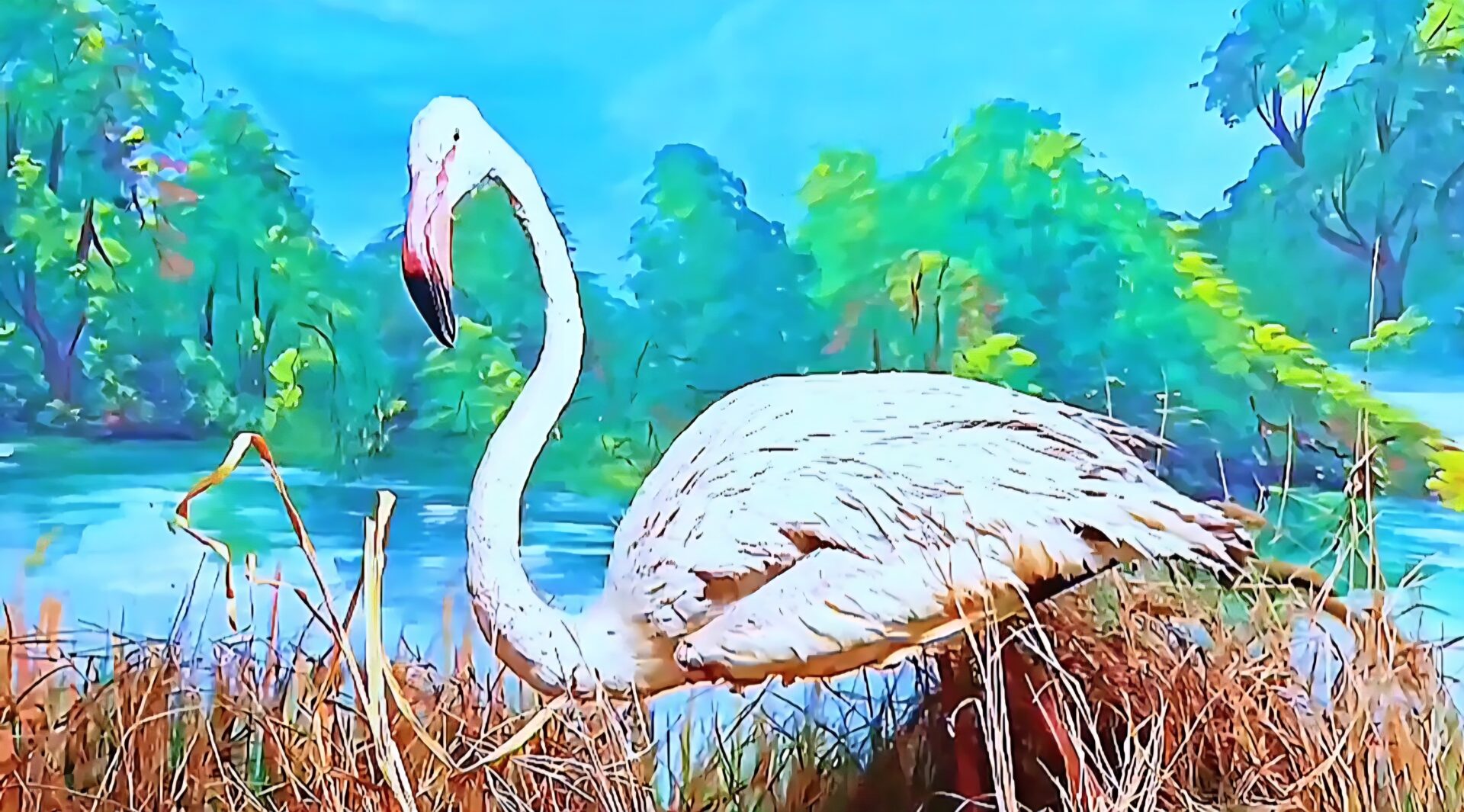
It is not the most modern or highly interactive museum, and that is part of its charm. Old glass cases, careful taxidermy and classic dioramas create a thoughtful, almost timeless visit.
For travellers who enjoy quieter cultural stops, it offers a different rhythm from the city outside: slower, more reflective, and surprisingly atmospheric.
Where
Ingombota, Largo do Kinaxixe, Luanda.
Founded
In 1938, originally in São Miguel Fortress. Since 1956 in the current building.
Suggested time
Around 45 to 90 minutes. Mornings are cooler and weekdays are calmer.
Good to know
Air conditioning can be limited. Bring water and follow any on-site photography rules.
Tickets
Usually a modest fee. Carry cash in AOA, as policies may change.
- Phone: +244 921 360 872 and +244 222 334 055
- Common hours: Monday to Friday, around 08:00 to 16:00
- Note: Weekend hours may vary, so calling ahead is a good idea.
Marine & Mammal Halls
Classic rooms with fish, cetaceans and mammals that trace Angola’s habitats.
Reptiles & Insects
Snakes, lizards and extensive insect displays that are especially fascinating for children and students.
Shells & Butterflies
Beautiful collections, including cowries once used as currency along the West African coast.
The Building
A purpose-built three-storey museum from 1956, close to the former Kinaxixe market square.
For families & students
- Because the labels are old-school, you can turn the visit into a scavenger hunt for kids.
- It is also a great stop for class projects on Angolan biomes and biodiversity.
For photographers
- Light inside can be low, so a fast lens helps.
- Always respect any no-flash signage.
- Outside, the surrounding area offers city scenes worth capturing.
Logistics
- Ride-hailing usually works well in the city centre.
- It combines nicely with Iron Palace and nearby Culture & History spots.
Short video to get the mood before you go.
Pin: Largo do Kinaxixe, Ingombota. Coordinates: −8.81536, 13.23846
Is it kid-friendly?
Yes. There are many animals to spot, and its traditional style often works well for families who enjoy a slower visit.
When is it busiest?
Weekends and school group days can be busier. Weekday mornings are often the quietest.
Do they accept cards?
It is safest to assume cash for entry, even if some central museums sometimes accept cards.
Accessibility?
Lift access and climate control may be limited. If step-free access is essential, it is best to call ahead.